Text
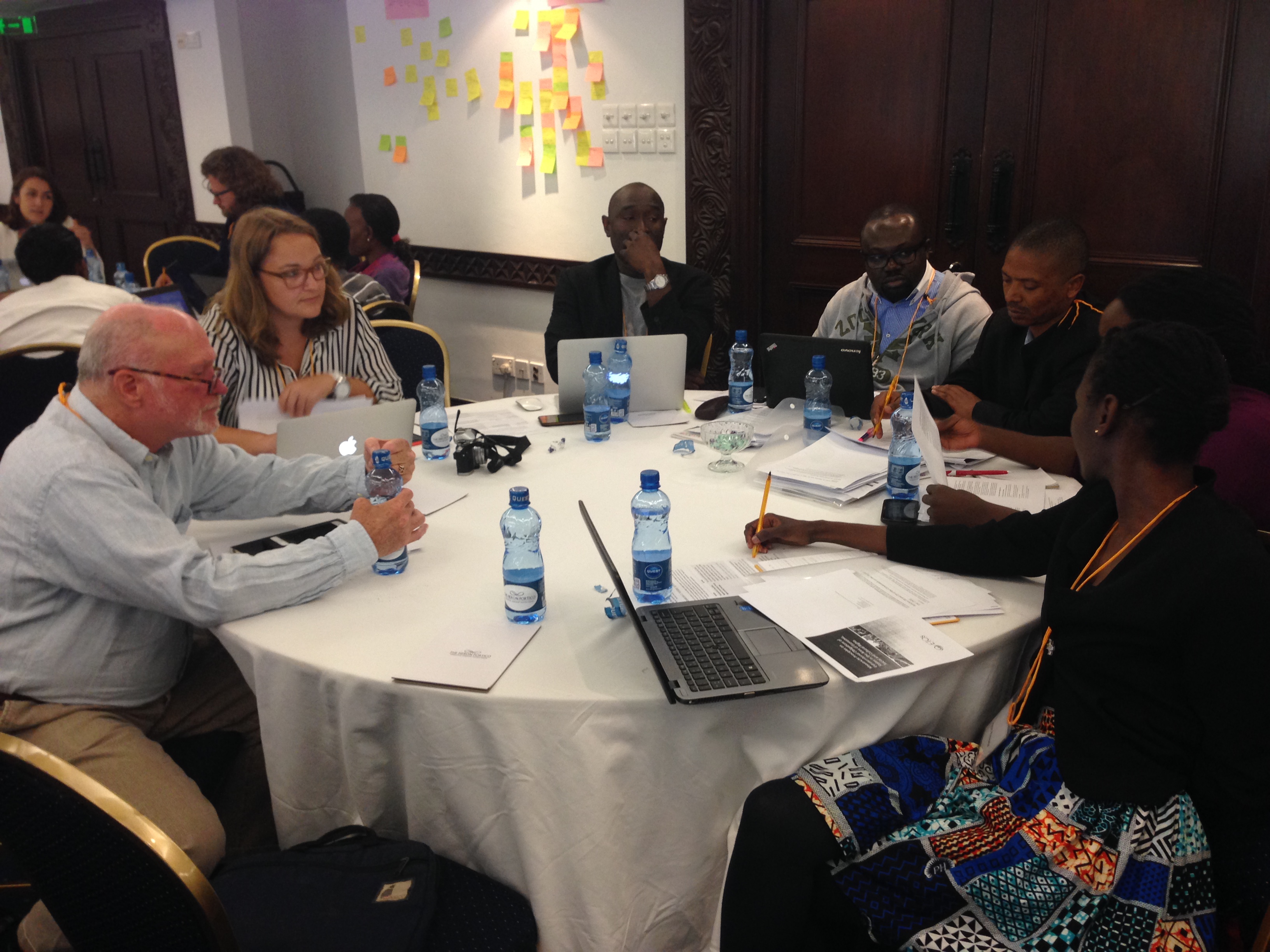
The Guiding Principles are being developed through an open, transparent, and broadly consultative process with a view to including a variety of perspectives and to reflect different contextual realities. From 2016 to 2018, a series of regional, national, and thematic consultations have been convened around the world. An online consultation open to all will be organised in July and August 2018.
While in other cases the development of guiding principles has mainly involved legal experts, the process for the development of these Guiding Principles aims to include inputs from all interested stakeholders, and to involve people from various backgrounds - human rights lawyers, education specialists and practitioners, and affected communities - and geographic regions. Specific efforts have been made by various partners to reach out to communities and rights-holders, as for instance in Nepal.
In addition to the consultations, other inputs contributing to the formulation of the Guiding Principles include:
- Conceptual research and Empirical research, including from a human rights perspective.
- Expert input from a constituency of experts from various backgrounds.

At the end of the drafting process, the Guiding Principles will be validated and adopted by a group of recognised experts before being open for endorsement by all interested stakeholders.
It is envisaged that the Guiding Principles will be finalised and launched by the first half of 2018.
This process builds on the experience of the last twenty years of development of human rights principles. An independent expert, Magdalena Sepúlveda (former UN Special Rapporteur on extreme poverty and human rights), developed a paper (to be published soon) taking stock of the experiences developing human rights principles in the last 20 years. The paper analyses the process and impact of several examples, and serves as a guide for the process for the GPs.