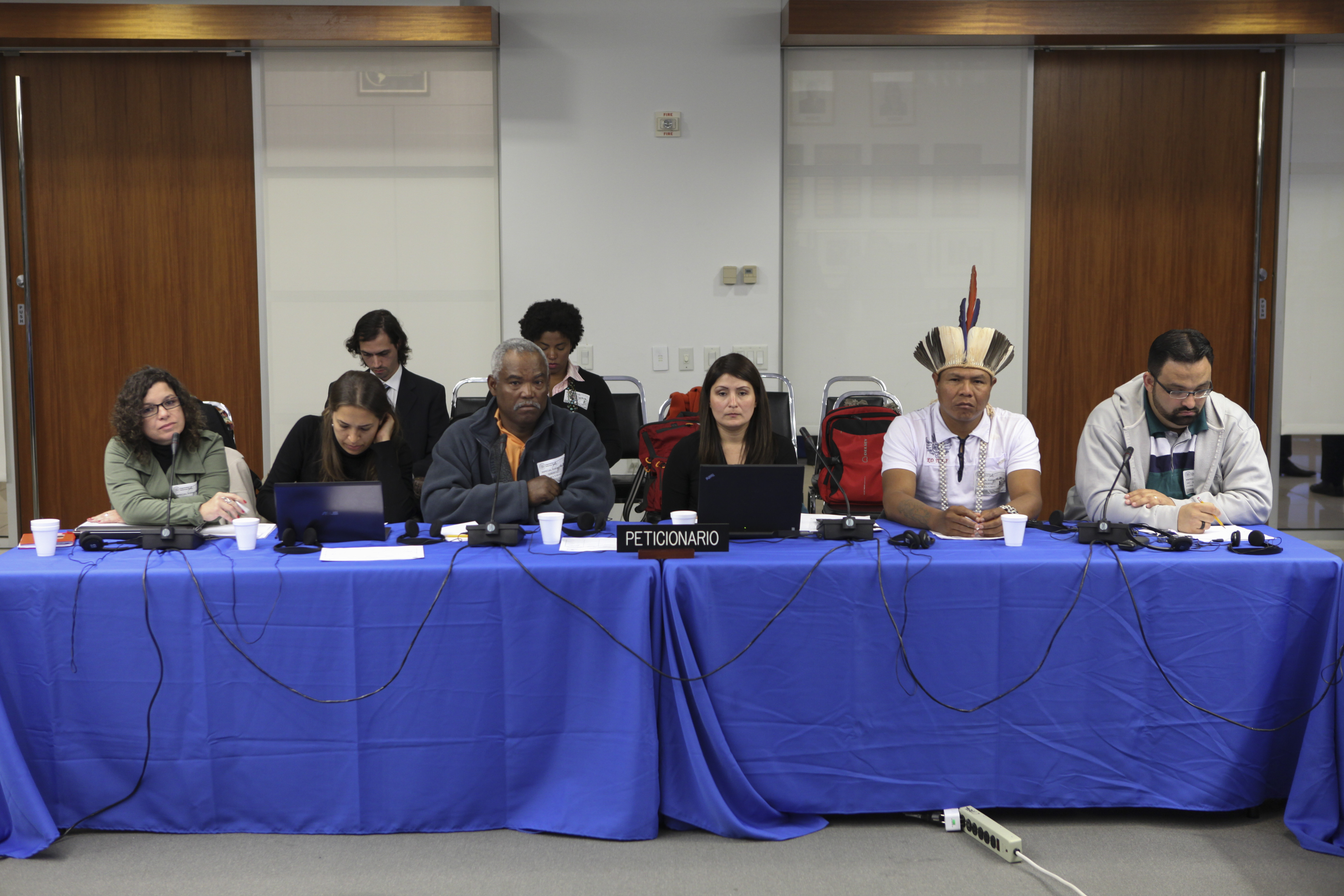
There are judicial and quasi-judicial mechanisms to litigate on the right to education at national, regional and national level. It is important to note that regional and international mechanisms can only be utilised when all internal remedies have been exhausted.
Taking a case to court should always be the last resort, for claimants as well as for campaigning strategies. It takes time, money and energy, and there is a lot at stake – not least that you might not win!
Any prior analysis should therefore take into account the risks (and opportunities). These may involve: personal safety (of claimants, campaigners, lawyers, etc.); legal status during and after; financial costs; reputational costs, especially for the campaigning organisations; operational costs, again this refers more to campaigners and lawyers; the impact the case might have on relations between litigants, lawyers and campaigning organisations and the government, civil society, schools/teachers/local administration, or the international community; fatigue is a real danger, but on the other hand a campaign build around a litigation process may also inspire greatly; political gains and losses must be considered; unpredictability is a major factor when planning; and finally the time-scale may be very long, and possibly too long, both for campaigners but, most importantly, for the affected victims of violations. There are many more risks and opportunities and these must be thought through by claimants, campaigners and lawyers.
It is also necessary to keep in mind the many other avenues which campaigners and lawyers may choose instead, using the law in different ways. These may include: providing evidence in existing cases; acting as ‘friends of the courts’; working with human rights groups; empowering local public interest lawyers; linking up with lawyers’ associations or networks; conducting advocacy for legislative/praxis change with the law in hand; and pushing for judicial review.
If one decides to go for some kind of litigation, it is highly recommended to follow this course of action with clearly stated aims in mind. Apart from seeking justice for individuals or groups whose rights have been violated, campaigning organisations or lawyers should view litigation as a campaigning tool with which to raise awareness; put pressure on government; to test the legal system or to create a precedent (in common law systems).
Secondly, it is important to involve others: using the media to raise awareness in the local community; in challenging/assisting local government; working with local schools; challenging prejudice in society vis-à-vis excluded groups.
In short, a decision to use litigation should consider the following five steps:
- understanding the legislation
- collecting evidence
- framing the case
- choosing the court
- mobilising for support and coverage
The following accordions explore in more depth issues surrounding the decision to build a case.