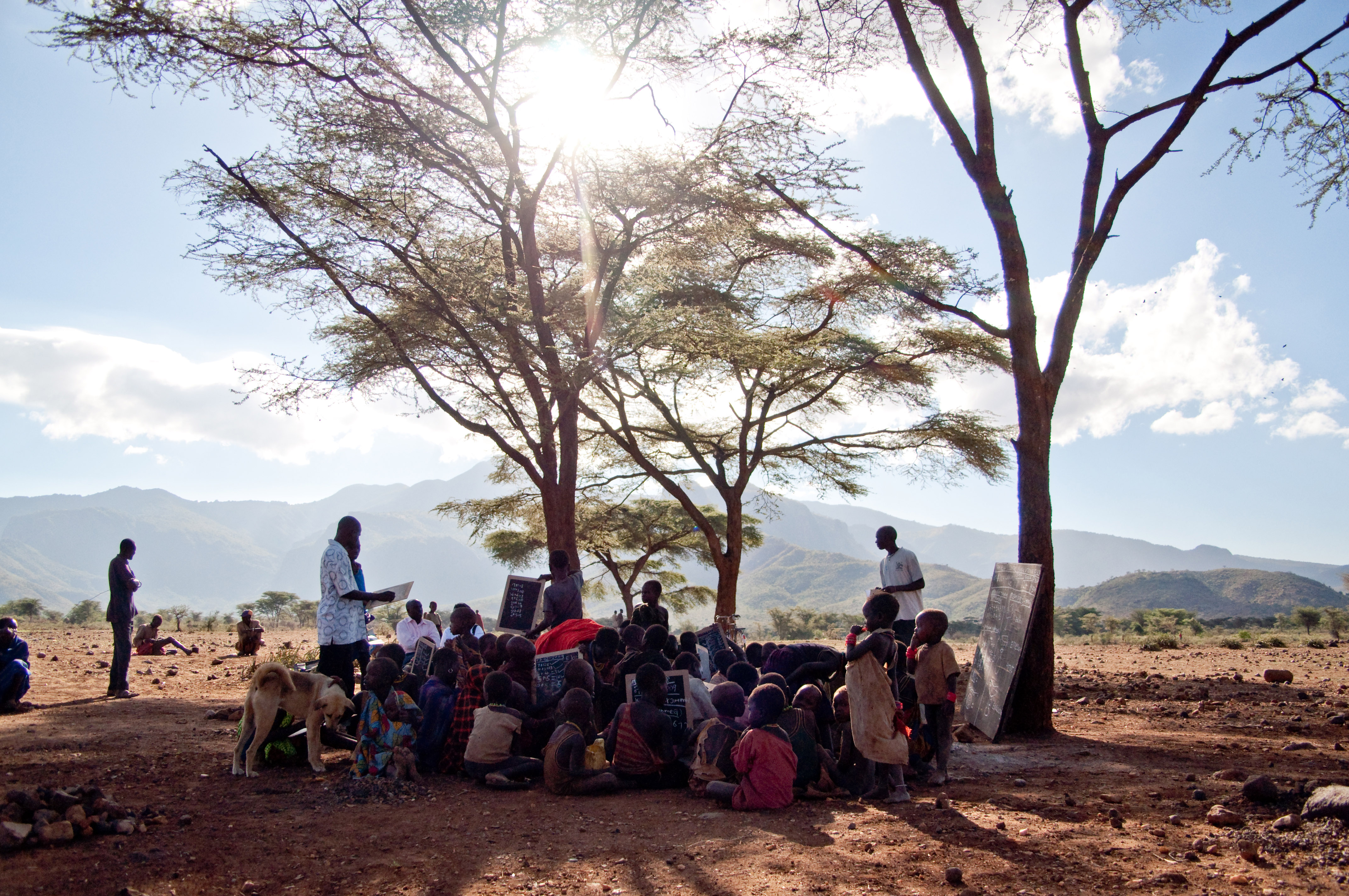
When monitoring the right to education, it is important to examine laws and policies, but it is equally important to look at actual practices. It may be that on paper the policies and laws are good but in reality the execution of them is poor or perhaps little or no funds have been allocated to facilitate the implementation of these laws and policies. So, it is essential to look at the whole picture and all possible sources of information (practices, data, laws, policies, and recommendations made to the government) in order to pinpoint the reasons why the right to education might not be fully enjoyed.
● The legal framework of the right to education
To start, it is important to review the legal framework that guarantees the right to education in a specific country to ascertain whether the national laws and policies comply with international human rights law:
- which human rights treaties that guarantee the right to education has the state ratified?
- does the constitution guarantee the right to education? To what extent?
- has the state adopted laws on education that provide a detailed legal framework to guarantee the right to education?
- has the state adopted policies to implement the right to education? Do these policies comply with national law?
If laws and policies comply with human rights standards, then violations are likely to occur due to failures to uphold these laws and policies. If laws and policies do not adhere to human rights standards, then violations are likely to re-occur unless those laws and policies are changed.
● The implementation of the right to education on the ground
In addition, it is very important to monitor the implementation of the right to education: at school level, regional and national levels, using qualitative and quantitative data. For example:
- are specific groups discriminated against? Girls? Minorities?
- are some regions particularly disadvantaged as regards quality education?
- is primary education really free?
● The budget allocated to education
A review of budget allocation is also a very useful indicator for monitoring the full realisation of the right to education. Budget allocation reflects not only the level of resources invested in the education sector but also the policy priorities of the government.
A careful analysis is required to assess - and challenge - the extent to which the most efficient use is made of available resources and political will. It can also help identify areas of neglect, under-funding or decrease in funding, thus unveiling possible failure or violations. However, it is also important to focus on the effort made by the state rather than just the amount spent on education. For instance, a country with few resources could be using them equitably, achieving slow but important and fair progress on the education of all members of society as opposed to a rich country that is investing a relatively large amount of money on education but very little on its most deprived groups or areas, or worse reducing allocation over time.
Other limitations regarding budget analysis include the lack of transparency of some budgets or the fact that increased resource allocation does not always amount to improved access or enjoyment of the right to education. In brief, beyond looking at how much is spent it is also very important to see how it is spent, as well as how transparent and participatory the process of budget allocation is.
More information about education financing, here.