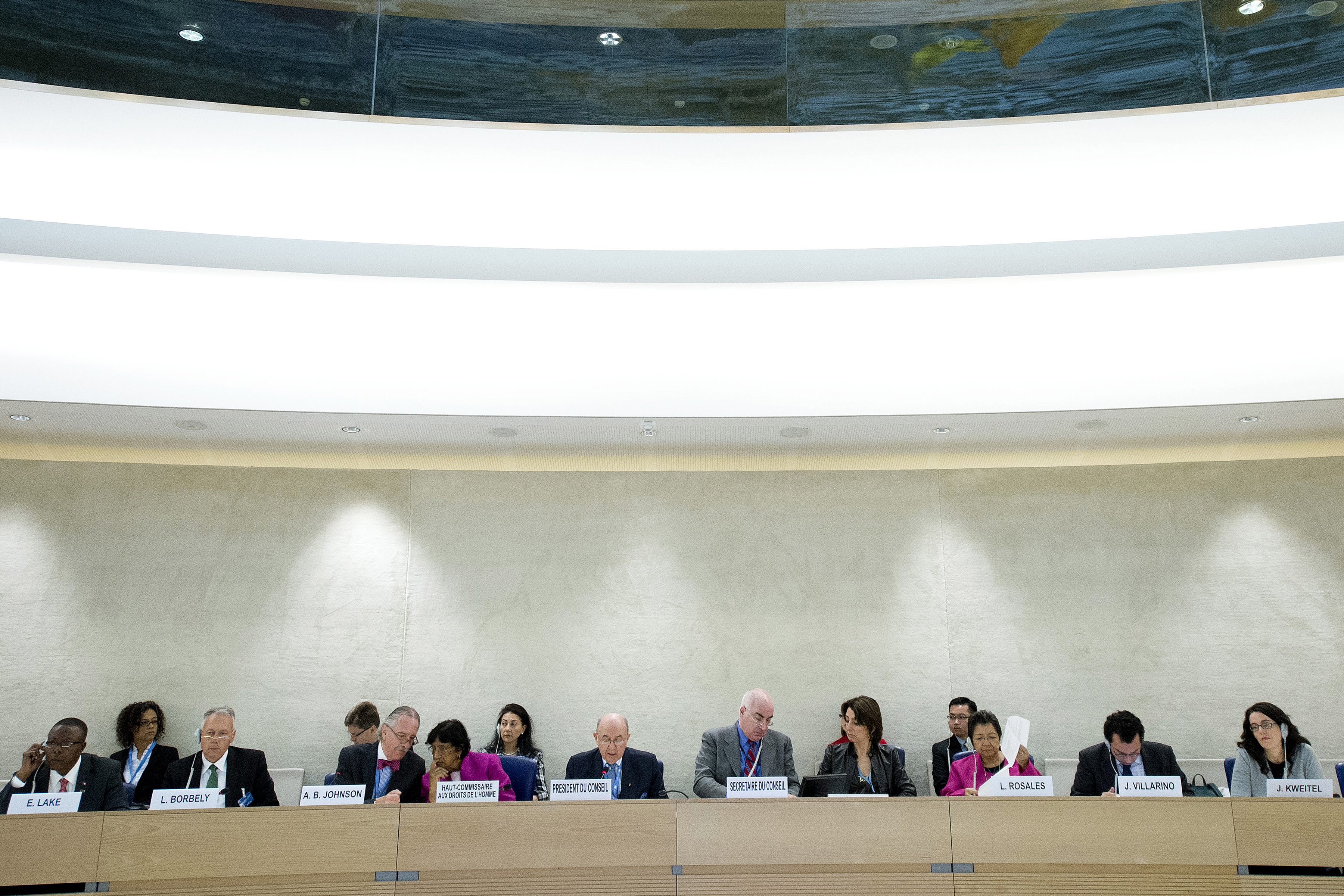
UN treaty bodies are derived from various international treaties (conventions, covenants) and oversee the implementation of their provisions through four main functions: (i) review of periodic reports submitted by states; (ii) clarification and interpretation of the relevant treaty through the adoption of general comments; (iii) examination of complaints (only after all possible remedies have been exhausted); (iv) inquiries into grave or systematic violations.
The Committees base their review on interactive dialogue with the state and also on information received by other UN bodies/agencies – such as UNESCO, and NGOs – through shadow reports, thus offering civil society organisations an entry point and an avenue for lobbying and strategising at the international level. Treaty bodies take shadow reports very seriously as they provide solid evidence on how the state has or has not followed through on its obligations.
Once the treaty body has both the state report and the shadow reports, they hold a session and allow time for the state and civil society to draw attention to the main points in their reports. The treaty bodies create a list of issues – which is just a list of further questions to the state. The state prepares a written response and then the treaty body issues concluding observations. These concluding observations highlight both the positive ways in which the state has implemented the treaty and the areas of concern – with some recommendations. These concluding observations have improved over the years and there are some really good opportunities for advocacy.
General comments drafted by the treaty bodies are based on their findings from state reports and shadow reports. So, reporting to the treaty bodies generates further interpretation of the law, which can be used.
The UN treaty bodies most relevant to the right to education are the:
For more information on each Committee see the page International human rights mechanisms.
The CRC and the CESCR are the first Committees that should be targetted to report violations of the right to education. However, other Committees, such as CEDAW and CRPD are also very relevant to report on issues related to the right to education of specific groups. Also, the Human Rights Committee can play a role in monitoring the civil and political rights affecting education, such as religious freedom, freedom of expression (including academic freedom), teacher trade union issues, violence against children (including corporal punishment), and the freedom of civil society to engage and work on the right to education. It is also worth mentioning the role of the Committee against Torture in monitoring and guiding states’ compliance with the prohibition of corporal punishment in schools.
It is worth remembering that committees are only competent to receive reports from states that have ratified the treaty in question. It is also worth mentioning that not all treaty bodies can hear complaints, this is because some of them have not entered into force and because in some cases, the state must formally accept the competence of the committee to receive complaints.
For more information on how to direct complaints to the treaties bodies, see here. For a database of treaty body jurisprudence see OHCHR's jurisprudence documents search.
To find out when your country will be examined, see the website of each committee.