'In each situation we confront, a rights-based approach requires us to ask: What is the content of the right? Who are the rights claim-holders? Who are the corresponding duty-bearers? Are claim holders and duty bearers able to claim their rights and fulfil them? If not how can we help them to do so? This is the heart of a human rights based approach' - Mary Robinson, former UN High Commissioner for Human Rights.
The right to education is pivotal in the pursuit of development. Over the last ten to fifteen years, civil society and UN agencies have been making strides to bring development and human rights together, so that the theoretical frameworks from both disciplines are integrated in practice. A human rights-based approach (HRBA) combines development theory and practices with the human rights legal framework to operationally promote and protect human rights and address the inequalities that lie at the heart of development problems.
A HRBA shifts development plans, policies, and programmes from mere charity to a process of empowerment whereby people know of and claim their rights and where duty-bearers can be held accountable. This means giving people greater opportunities to participate in shaping the decisions that impact on the enjoyment of their human rights. It also means increasing the ability of those with responsibility for fulfilling rights to recognise and know how to respect those rights, and ensuring they can be held accountable. The concept of HRBA includes five principles, known as PANEL principles, see the accordion below for more information.
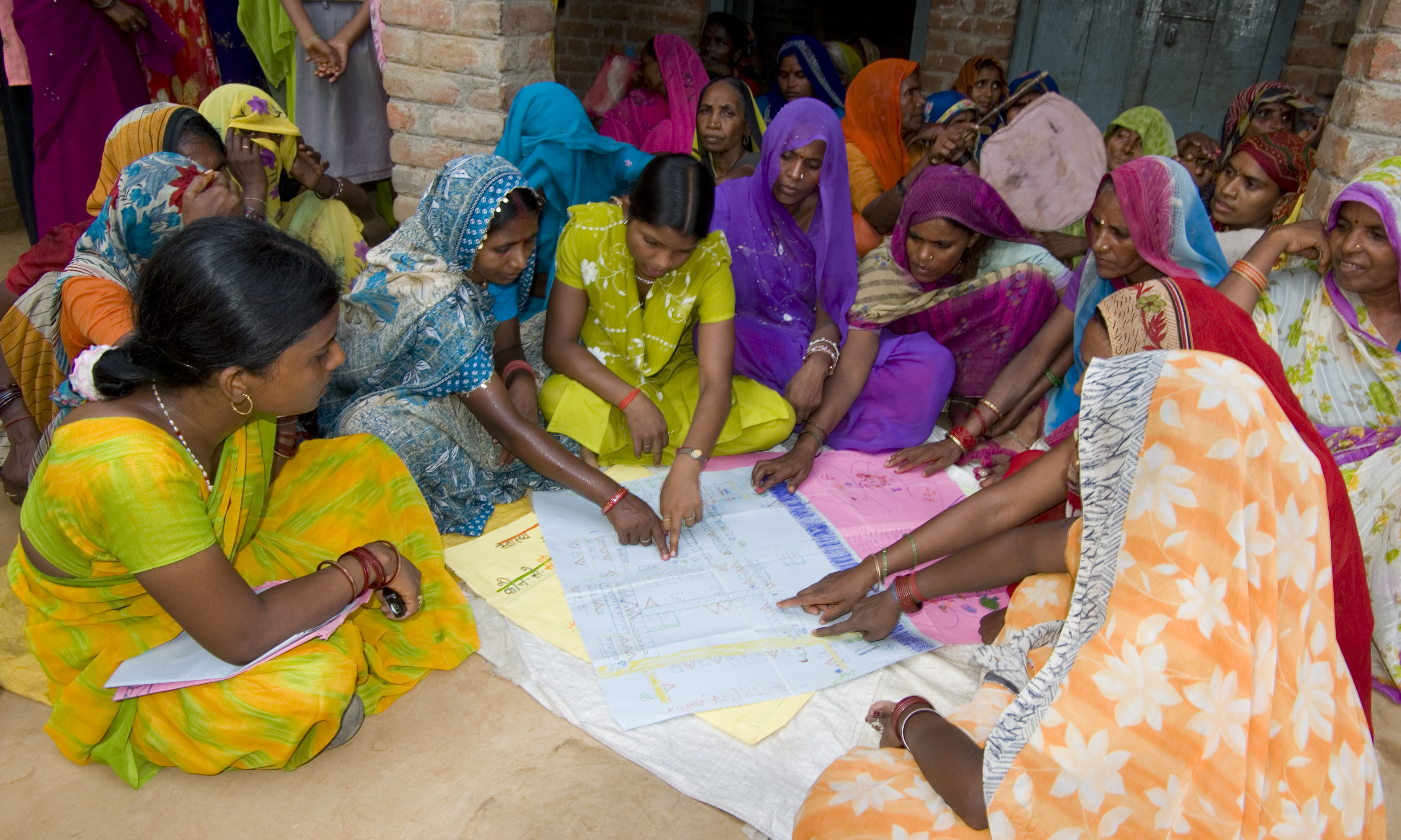
A HRBA to the right to education means that civil society organisations support local communities, who serve as active agents of change. Local communities identify the focus of rights advocacy, whether it is increased enrolment of girls in primary education or improved teacher training for better quality education, and identify the appropriate duty bearer to claim their rights.
HRBA can be applied at all levels of engagement – from the way in which schools operate, to the decisions of local authorities, to the way in which national policies are made. Once the content of the right and the corresponding duty-bearer is identified, local communities and civil society can then develop and implement a strategy for claiming rights which may include a variety of tactics, such as collecting data for reports, developing awareness-raising campaigns, lobbying governments or taking cases to court.
There are many different strategies that civil society can use and the tactic that is selected will depend on a number of factors, including the issue, the duty bearer, local and national contexts and resources available to implement the strategy. Most of the time, multiple strategies are needed to achieve the aim. It is often easiest to start at the community level, and then groups that work nationally, regionally and internationally.
Moving from theory to action is crucial for the realisation of the right to education on the ground. We recommend reading the Right to Education Handbook for practical guidance on making the right to education a reality for all. In addition, helpful manuals have been developed by partner organisations to guide you in taking action, including:
- Education Rights: A guide for practitioners and activists, Global Campaign for Education/ActionAid, 2007
Haki Zetu – ESCR rights in practice: The right to education, Amnesty International / Right to Education Project, 2012
See also our pages providing information on how to monitor, report, litigate, and campaign for the right to education.